Visiting Ghana for the first time? Here is a list of worthwhile tourist attractions in Ghana, from each region for easy reference.
Ps. I offer all-inclusive tours to majority of these destinations listed below at my travel agency EWM TOURS. Click HERE for a detailed catalog of each.
Find Budgeted Accommodation Options Here

Brong Ahafo Region
Hani Archaeological Site (Begho) – Near Wenchi, this ancient settlement reveals traces of early trade and civilization in the Bono area, with artifacts dating back centuries.
Boabeng-Fiema Monkey Sanctuary – A sacred forest near Nkoranza where Mona and Colobus monkeys live freely among the villagers. It’s a rare place where wildlife and community coexist in harmony.
Bui National Park – Stretching along the Black Volta River, this vast park is home to hippos, antelopes, monkeys, and over 200 bird species. Its scenic river views make it perfect for safaris and eco-tours.
Nchiraa Waterfalls – A scenic hidden gem near Wenchi, offering adventurous hikes through forested hills before reaching its refreshing cascades.
Fuller Falls – A quieter alternative near Kintampo, with gentle cascades and serene picnic spots surrounded by nature.
Tanoboase Sacred Grove and Shrine – A spiritual and historical site near Techiman, considered one of the birthplaces of the Bono people. Its caves, rock formations, and sacred forest make it both mystical and scenic.
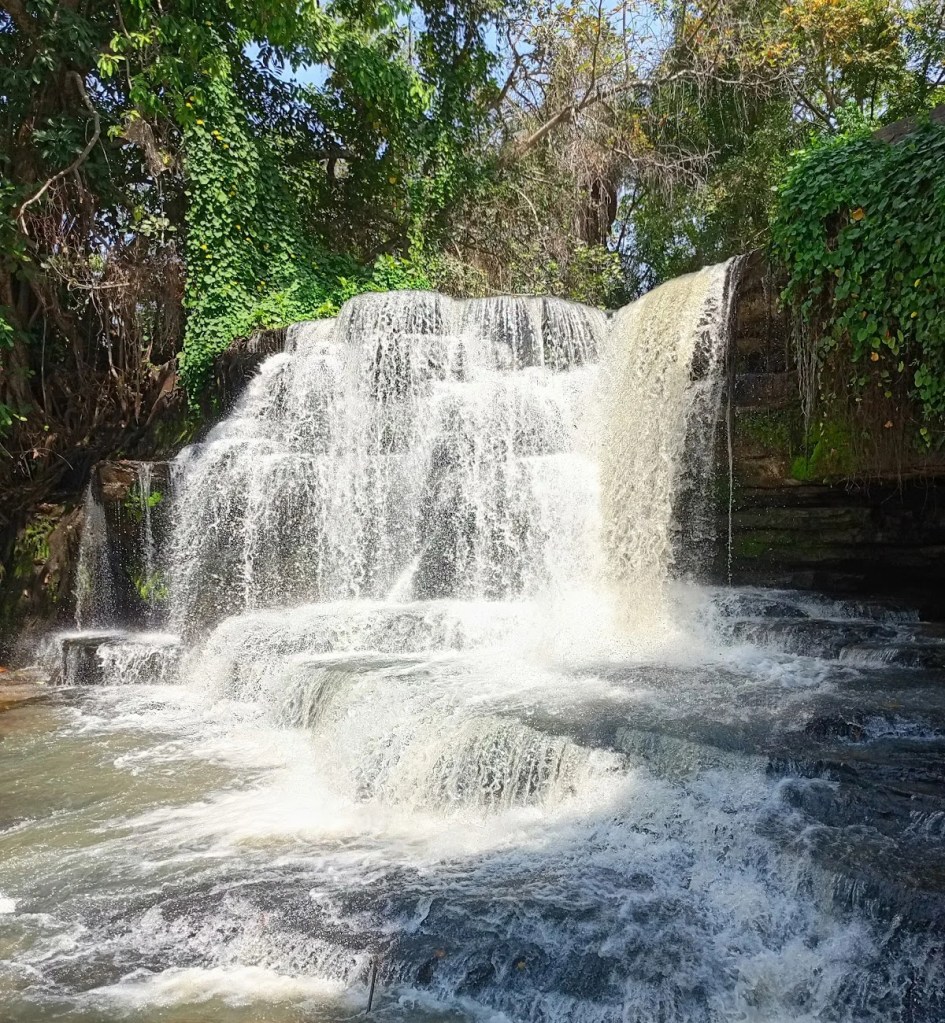
Kintampo Waterfalls – One of Ghana’s most iconic waterfalls, cascading in three stages through lush greenery. A refreshing stop for hiking, swimming, and cooling off on road trips through the center of Ghana.
Bono Manso Slave Market – Once a major slave trading point linking northern routes to the coast, this site preserves the memory of those captured and sold during the Trans-Atlantic Slave Trade.
Greater Accra Region
Osu Castle (Fort Christiansborg) – A UNESCO heritage site and a former seat of government. The castle served a role in the trans-Atlantic slave trade and it is featured on Ghana’s Coat of Arms and Ghanaian currency.
National Museum of Ghana (Accra) – Ghana’s official museum, showcasing the nation’s journey from precolonial times to independence and beyond. Its collections include ancient artifacts, royal regalia, textiles, musical instruments, and contemporary art. Recently refurbished, the museum offers a clear window into Ghana’s cultural identity and history.
Brazil House – A Museum tracing the return of Afro-Brazilian ex-slaves to Ghana. Insightful cultural history with a unique blend of Ghanaian and Brazilian heritage.
Dodowa Forest & Tsenku Waterfalls – 30 km northeast of Accra, forested area, waterfall (Tsenku/Wuruduwurudu Falls), and interesting local history (Dodowa’s Baobab tree & the site of the Kantamanso War). A cooler, shady retreat.
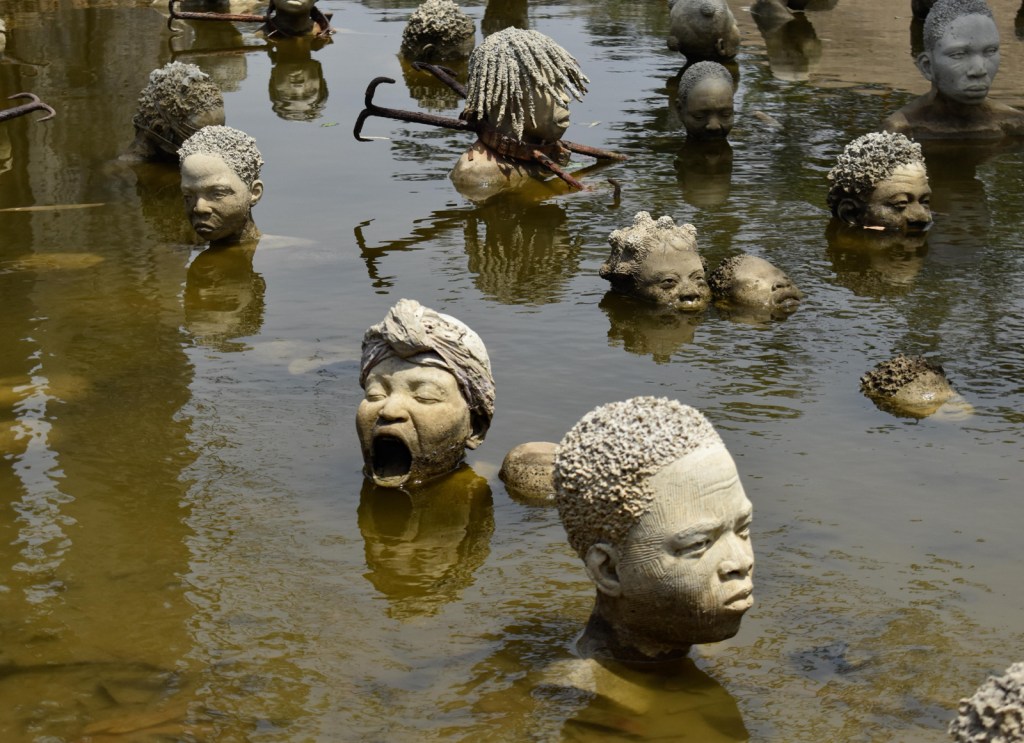
Nkyinkyim Museum (Nuhalenya-Ada) – An open-air art and heritage museum founded by Kwame Akoto-Bamfo. Through powerful sculptures and installations, it tells stories of African identity, resistance, and remembrance of the enslaved. Set in the quiet landscape of Ada, it’s both an artistic experience and a spiritual journey through history and healing.
Shai Hills Resource Reserve — Roughly 50-60 km from Accra, this reserve offers wildlife (baboons, monkeys, antelopes), rocky hills, caves, and hiking trails. It’s one of the closest nature escapes from the city.
Kwame Nkrumah Mausoleum – The final resting place of Dr. Kwame Nkrumah, Ghana’s first president. It features museum exhibits and peaceful reflection pools.
Independence Arch & Black Star Square – National monuments symbolizing Ghana’s independence. A popular photo stop and venue for national events.
Makola Market – A vibrant open-air market for local goods, fabric shopping, and souvenirs.
Laboma and Labadi Beaches – Popular beach fronts known for music, swimming, horse rides, and local vibes. You can also find some of the luxury Beach clubs in the city on these beachfronts.
Jamestown – A historic fishing community with colonial architecture and lighthouses. Explore the old lighthouse, and street murals.

W.E.B. Du Bois Centre – A memorial center for the Pan-African scholar. The center includes his mausoleum, a library, and a museum.
Legon Botanical Gardens – Nature escape in the city with rope courses, a canopy walkway, and kayaking. Great for bird watching and eco-tourists.
Kokrobite Beach – Kokrobite is one of Accra’s most relaxed beach towns, known for its laid-back vibe and live music scene. Just outside the city, it’s a popular weekend escape where travelers come for sunset views, beach bars, and reggae nights.
Bojo Beach – Located west of Accra, Bojo Beach sits across a narrow lagoon that visitors cross by canoe before reaching the shoreline. The clean stretch of sand and quieter atmosphere make it one of the more peaceful beaches near the capital.
Ghana National Theatre – The Ghana National Theatre is one of Accra’s most recognizable landmarks and a hub for the country’s performing arts. Visitors can attend plays, dance performances, and cultural shows that highlight Ghana’s rich artistic traditions.
Accra Railway Museum – Tucked inside the old Accra railway station, this small museum tells the story of Ghana’s historic rail network. Vintage locomotives and photographs give a glimpse into how trains once connected many parts of the country.
Accra Art Center – A huge art market for kente, local fabrics, art, gold jewelry, and all gift items.
Artist Alliance Gallery – The Artists Alliance Gallery is a three-story arts center with local arts and sculptures for sale.
Other galleries like ANO Gallery, Nubuke Foundation, and Gallery 1957 are all leading contemporary art spaces showcasing Ghanaian and African creativity.
Find Budgeted Accommodation Options Here
Central Region
Assin Manso Slave River Site — A deeply moving historical/spiritual site where enslaved Africans had their last bath before being shipped away. Includes memorial walls and riverside shrine.
Cape Coast Castle – Cape Coast Castle isn’t just a historical site, it’s a confrontation with the past. Once a fortress of trade turned prison for enslaved Africans, its walls still reflect the untold stories of pain and resilience. Today, it stands as a UNESCO World Heritage Site and a powerful reminder of the strength and endurance of African people.

Komenda Cave — On the coast near Komenda town. A cave/tunnel eroded into sandstone by the sea; narrow passages open at both ends.
Elmina Castle – Elmina Castle, one of the oldest European buildings in sub-Saharan Africa, it is also a UNESCO World Heritage Site and stands as a haunting reminder of the Trans-Atlantic Slave Trade.
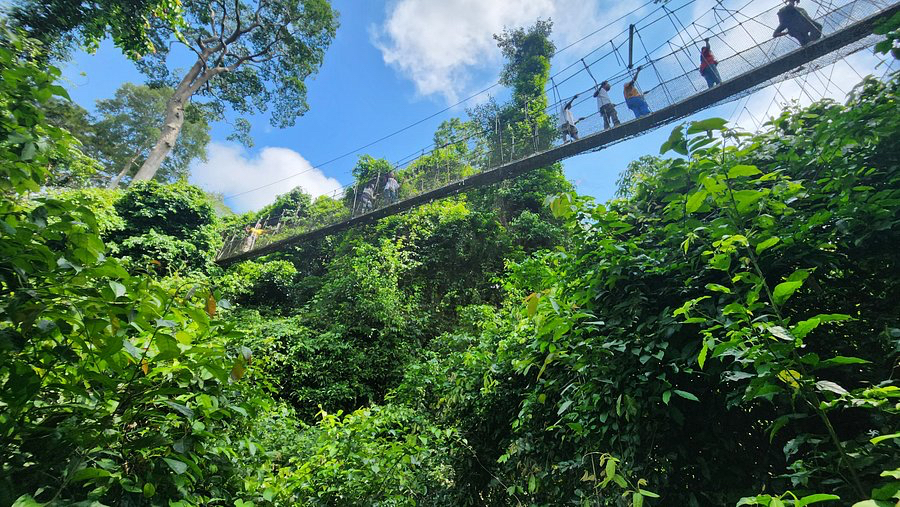
Kakum National Park – Kakum National Park is known for its iconic canopy walkway and rich rainforest swarming with birds, butterflies, and some wildlife. It offers visitors a unique chance to experience Ghana’s vibrant biodiversity from high among the treetops and also presents a fun challenge for adventure seekers.
Gomoa Fete Beaches — Beautiful sandy beaches with multiple resorts and villas, relatively clean and less chaotic than big city beaches. Nice for a relaxing day by the sea.
Fort Amsterdam (Abandze) – Fort Amsterdam is one of the lesser-visited colonial forts along Ghana’s coast. Overlooking the Atlantic from the quiet town of Abandze, the fort offers sweeping sea views and a chance to explore Ghana’s layered colonial history.
Fort William (Anomabo) – Perched on a hill above the town of Anomabo, Fort William once served as a British defensive outpost. The fort provides panoramic views of the coastline and remains an important historical site in the Central Region.
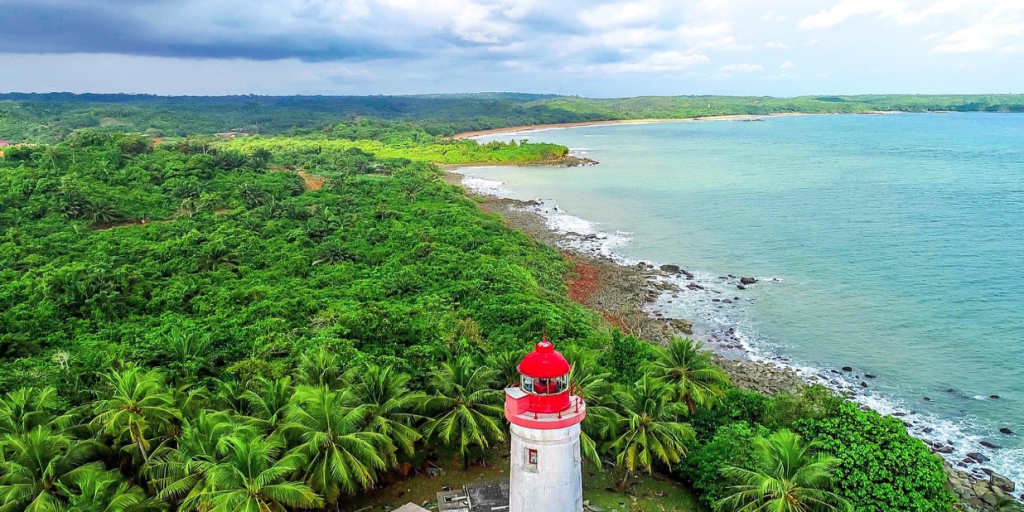
Brenu Beach – Located near Elmina, Brenu Beach is a long stretch of golden sand lined with coconut trees. It’s quieter than many of the region’s more famous beaches, making it perfect for a relaxing afternoon by the sea.
International Stingless Bee Centre (Abrafo) — Nature-based attraction; interesting for visitors wanting something offbeat and ecological.
Western Region
Nzulezu Stilt Village – A remarkable community built entirely on stilts above Lake Tadane, where daily life unfolds on water. Accessible by canoe, it offers a rare glimpse into Ghana’s indigenous ingenuity and harmonious coexistence with nature.
Fort Apollonia (Beyin) – Fort Apollonia sits in the coastal town of Beyin near the border with Côte d’Ivoire. The restored fort now houses a small museum that highlights the history and culture of the Nzema people.
Fort San Antonio (Axim) – Built by the Portuguese in the 16th century, Fort San Antonio overlooks the fishing town of Axim. It is one of the oldest European structures along Ghana’s western coastline.
Axim Beach – Axim Beach offers wide sandy shores and a quieter atmosphere than many other coastal destinations. It’s a great place to watch local fishermen at work while enjoying views of the Atlantic.
Bisa Abrewa Museum (Nkontompo, Sekondi-Takoradi) — Private museum with a massive collection (wood, clay, photos, sculptures) focusing on African heroes, history and identity.
Princess Town – A tranquil coastal village known for Fort Gross Friedrichsburg, Ghana’s only German-built fort. Offers quiet beaches, scenic ocean views, and easy access to Cape Three Points, perfect for travelers seeking history and solitude.
Busua & Butre Beaches – Relaxed coastal escapes known for golden sands, surf-friendly waves, and a welcoming local vibe. Ideal for beach lovers, surfers, and anyone seeking slow days, fresh seafood, and stunning sunsets

Fort Metal Cross – Perched above the fishing village of Dixcove, this 17th-century fort blends history with breathtaking ocean views. Once a trading post, it now stands as a quiet reminder of Ghana’s colonial past and coastal heritage.
Cape Three Points – Marking the southernmost tip of Ghana, this lush coastal area combines dramatic seascapes, forest trails, and eco-lodges. It’s where the Atlantic meets untouched nature. This whole community is perfect for adventure, relaxation, and reflection.
Ankasa Conservation Area – A pristine rainforest teeming with life, known for its lush vegetation, scenic waterfalls, and diverse wildlife. Often called Ghana’s most biologically rich reserve, it’s a haven for birdwatchers, nature lovers, and those seeking an off-the-beaten-path jungle experience.
Ashanti Region
Manhyia Palace Museum – The official residence of the Asantehene, this palace-turned-museum offers deep insight into Ashanti royalty and culture. Visitors can explore historical artifacts, photographs, and stories that bring Ghana’s most powerful kingdom to life.
Lake Bosomtwe – Ghana’s only natural lake, formed by a meteorite impact and surrounded by lush green hills. It’s a serene spot for swimming, canoeing, or simply soaking in the beauty of nature — a favorite for eco-tourists and weekend getaways.
Kumasi Central Market (Kejetia Market) – One of the largest open-air markets in West Africa, bursting with color, energy, and commerce. From fabrics and beads to spices and handmade crafts, it’s a sensory overload and a true reflection of everyday life in Kumasi.

Prempeh II Jubilee Museum – Located within the Kumasi Cultural Centre, this museum showcases the legacy of Ashanti kings through royal regalia, photographs, and personal items — including a replica of the Golden Stool, the sacred symbol of Ashanti unity.
Okomfo Anokye Sword Site – In Kumasi, a legendary sword planted by the priest Okomfo Anokye during the founding of the Asante Kingdom still stands embedded in the ground today. Located on the grounds of Komfo Anokye Teaching Hospital, the sword has never been removed despite numerous attempts. It remains a powerful symbol of Ashanti history and spirituality.
Adanwomase & Bonwire Kente Villages – Just outside Kumasi, the villages of Adanwomase and Bonwire are famous for traditional Kente weaving. Visitors can watch skilled artisans work on wooden looms while learning about the symbolism behind the colorful patterns that were once reserved for royalty.
Bobiri Butterfly Sanctuary – About 30 km from Kumasi, Bobiri Butterfly Sanctuary protects hundreds of butterfly species within a quiet forest reserve. The shaded trails make it a peaceful nature escape and a great place to experience the biodiversity of Ghana’s forest belt.
Besease Traditional Shrine – A UNESCO-listed heritage site preserving the spiritual and architectural traditions of the Akan people. The shrine’s earthen structures and ancestral rituals offer a rare glimpse into Ghana’s pre-colonial belief systems and sacred artistry.
Eastern Region
Asenema Waterfalls – A hidden gem in Adukrom, accessible via a short scenic trail through the forest. It’s my favorite waterfall in the country. The refreshingly cool cascading waters and tranquil atmosphere make it a perfect spot for a quiet nature escape.
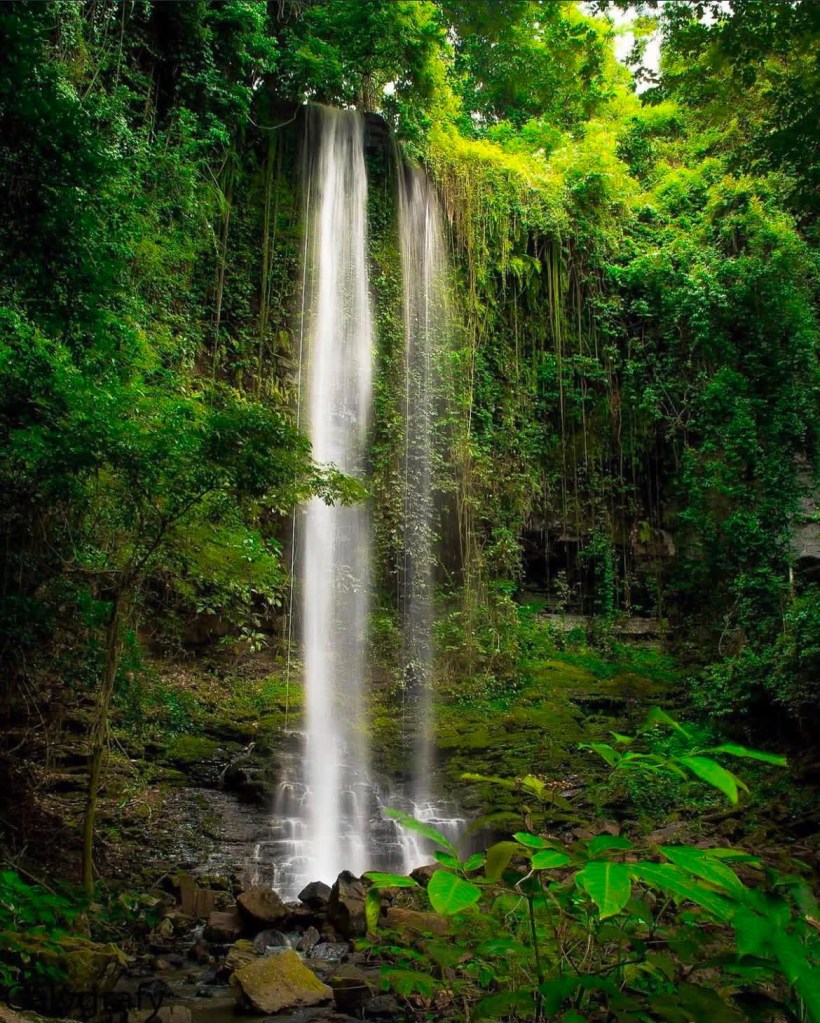
Umbrella Rock – Umbrella Rock is one of Ghana’s most striking natural formations. The large rock sits balanced on a narrow base, creating the shape of an umbrella overlooking the surrounding hills. Reaching it requires a short forest hike, but the views are well worth it.
Akaa Falls – Often visited alongside Umbrella Rock, Akaa Falls is a serene waterfall hidden within the same forest reserve. The cascade flows down smooth rock into a cool pool below, offering a refreshing stop after the hike.
Bunso Eco Park (Bunso Arboretum & Canopy Walkway) — A forest reserve with lots of tree species, medicinal plants, animals, butterflies, a canopy walkway for that treetop experience.
Aburi Botanical Gardens – A peaceful escape from city life, this historic garden is filled with exotic and indigenous plant species. Set on a cool hillside, it’s ideal for nature walks, picnics, and learning about Ghana’s rich flora in a serene, scenic setting.
Boti Falls – A pair of stunning twin waterfalls surrounded by lush forest, especially powerful during the rainy season. Local legends say the “male” and “female” fall in harmony — a sight both beautiful and symbolic.
Lake Volta (Akosombo Dam) – This is one of the world’s largest man-made lakes. The Lake Volta stretches across much of eastern Ghana. The Akosombo Dam, which powers much of the nation, sits at its heart offering impressive views and boat trips across the calm, expansive waters. There are several resorts scattered along its banks.

Aburi Craft Market – Known for its high-quality wood carvings, woven baskets, kente fabrics, and handmade souvenirs, this market offers a more relaxed shopping experience than central Accra’s bustling stalls. It’s perfect for finding authentic Ghanaian wooden craftsmanship.
Tetteh Quarshie Cocoa Farm – The birthplace of Ghana’s cocoa industry, this historic farm tells the story of Tetteh Quarshie, who introduced cocoa to the country. Visitors can tour the plantation, see cocoa trees up close, and learn how Ghana became a global chocolate powerhouse.
Volta Region
Wli Waterfalls (Agumatsa Falls) – The highest waterfall in Ghana. Wli cascades dramatically from lush highlands near the Togo border. Surrounded by tropical forest and fluttering butterflies, it’s a breathtaking reward after a scenic hike through nature.
Kyabobo National Park – One of Ghana’s most remote protected areas, located along the border with Togo. The park offers hiking, wildlife viewing, and spectacular mountain landscapes rarely seen by most travelers.
Tafi Atome Monkey Sanctuary – A peaceful community-run sanctuary where sacred Mona monkeys roam freely among villagers. Visitors can walk the forest trails, learn about local conservation, and even feed the monkeys when allowed.
Mount Afadja (Afadjato) – Ghana’s highest peak, offering panoramic views of rolling hills and nearby villages. The climb is short but very steep, making it a favorite adventure for hikers and nature enthusiasts. Although it barely offers a rewarding summit experience at the peak.
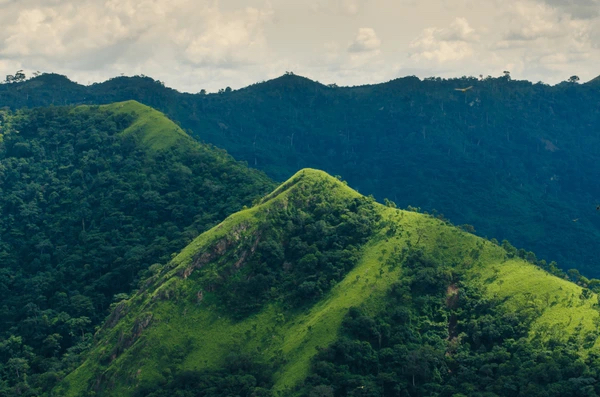
Tagbo Falls – A serene multi-level waterfall tucked near Mount Afadja, reached through a beautiful forest walk past cocoa farms and streams. It’s less crowded than Wli, making it a tranquil retreat for nature lovers.
Keta & Fort Prinzenstein – A beautiful coastal town, Keta offers a mix of history and serenity. The crumbling Fort Prinzenstein, built by the Danes in the 18th century, stands as a stark reminder of the slave trade era. Beyond the fort, the Keta Lagoon and nearby beaches make for peaceful escapes, with fishermen, salt pans, and birdlife creating a vivid backdrop.
Likpe Caves – The Likpe Caves near Likpe Todome once served as a refuge for local communities during times of conflict. Today visitors can hike through the surrounding hills to explore the caves and learn about the region’s history and traditions.
Keta Lagoon – Keta Lagoon is the largest lagoon in Ghana and an important wetland ecosystem. It attracts a wide variety of birds and offers a peaceful setting along the coast near the historic town of Keta.
Kpetoe Kente Weaving Village – See how Agotime/Ewe native weavers work their looms; buy cloth, see different patterns than those popular in Ghana.
Amedzofe Village & Mt. Gemi – The highest human settlement in Ghana with hiking, mountain views, cool weather, a nice retreat with the Ote Falls and canopy walkway nearby. A favorite tourist destination in the Volta region.
Northern Region
Mole National Park – Ghana’s largest and most popular wildlife reserve, home to elephants, antelopes, baboons, and over 300 bird species. Visitors can enjoy guided safaris on foot or by jeep, offering an up-close look at West Africa’s untamed beauty.
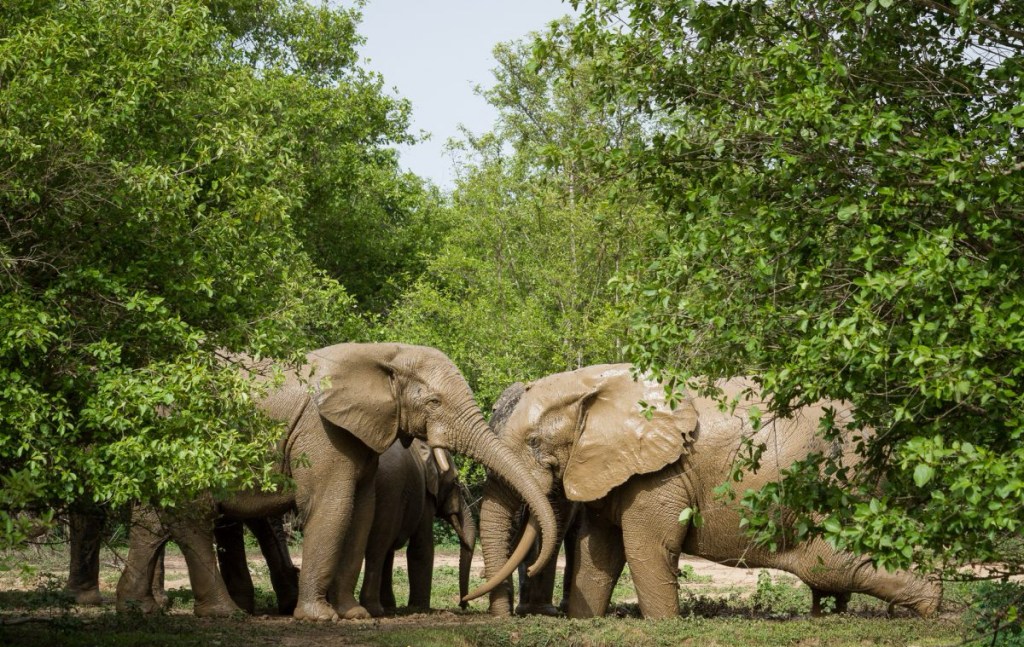
Larabanga Mosque – One of the oldest mosques in West Africa, famed for its striking Sudano-Sahelian mud architecture. This centuries-old spiritual site is a symbol of deep Islamic heritage and local craftsmanship, still used for worship today.
Daboya Smock Village – Daboya is famous for producing traditional Fugu smocks worn across northern Ghana. Visitors can watch local weavers create the striped fabrics that give the garments their distinctive look.
Mognori Eco Village – Located near Mole National Park, this community-run initiative offers a glimpse into traditional village life. Travelers can experience drumming, dancing, shea butter making, and peaceful canoe safaris along the Mole River.
Redclay Studios – A visionary art space founded by a Ghanaian artist Ibrahim Mahama. Redclay is a home to creativity, architecture, and social impact. Located near Tamale, it showcases large-scale installations, community projects, and serves as a hub for African contemporary art and innovation.
Upper East Region
Tongo Hills & Tengzug Shrine – A dramatic landscape of rocky hills and caves steeped in spiritual significance. The Tengzug Shrine, still used for traditional rituals, offers visitors a glimpse into ancient beliefs, stunning scenery, and the enduring cultural heritage of the Upper East Region. This is one of my favorite sites in Ghana.
Pikworo Slave Camp – Located near Paga, the Pikworo Slave Camp served as a holding point during the trans-Saharan slave trade. The site now stands as a solemn reminder of this period in West African history.
Navrongo Cathedral (Our Lady of Seven Sorrows) – A mud church with beautifully decorated interior; one of the few mud cathedrals left in the country.
Sirigu / SWOPA Village – A curated cultural village full of pottery, baskets, mural-painting, wall art, and you can also try your hand at crafts in workshops.
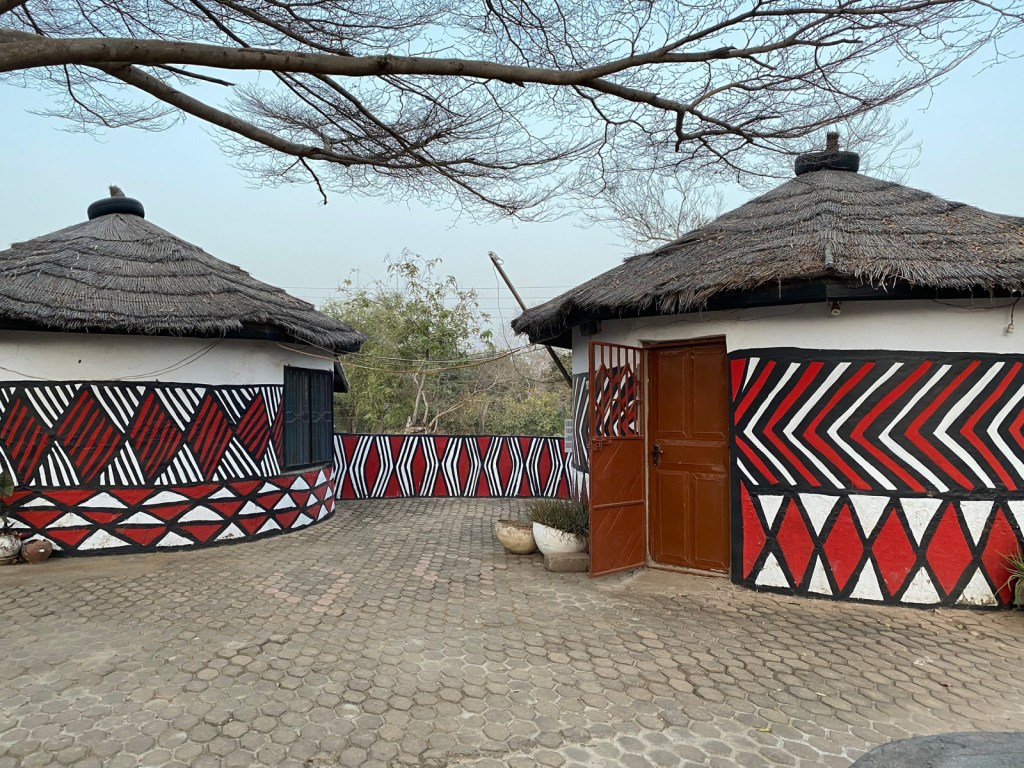
Paga Crocodile Pond – A sacred pond where crocodiles are treated as spiritual guardians and live peacefully alongside humans. Visitors can safely approach and even touch these “friendly” crocodiles under the guidance of local caretakers.
Bolgatanga Craft Village – The creative heart of northern Ghana, famous for its colorful handwoven baskets, leather goods, and straw hats. Every item reflects the artistry and tradition of local craftspeople, making it a perfect stop for authentic souvenirs.
Upper West Region
Wechiau Hippo Sanctuary – A community-managed reserve along the Black Volta River, home to one of Ghana’s last remaining hippo populations. Visitors can enjoy canoe safaris, birdwatching, and authentic homestays while supporting local conservation and eco-tourism efforts.

Gwollu Slave Defence Wall – A powerful historical site featuring remnants of walls built by locals to protect their community from slave raiders. The site stands as a testament to resistance and resilience, offering a glimpse into the region’s struggle for freedom and survival.
Nandom Cathedral – Nandom Cathedral is one of the most impressive Catholic churches in northern Ghana. Built with distinctive architecture, it has long been an important spiritual center for the region.
Wa Naa’s Palace – The seat of the Wala Paramount Chief and a symbol of northern heritage. Built in traditional Sudano-Sahelian style from mud and timber, the palace offers a glimpse into centuries-old royal customs and the history of the Wa people. Visitors can explore its courtyards, meet local guides, and learn about the region’s enduring chieftaincy traditions.
Find Budgeted Accommodation Options Here
Ps. I offer all-inclusive tours to majority of these destinations listed below at my travel agency EWM TOURS. Click HERE for a detailed catalog of each.
As always, happy travels!
 Nomadic Maajoa